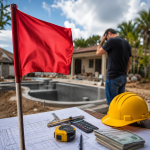
Most people use pool replastering and pool resurfacing interchangeably. Contractors often do too, which is where the budget confusion starts.
Think of it like a car. Replastering is the paint job. Resurfacing is bodywork plus the paint.
If your swimming pool feels rough like sandpaper but still holds water fine, you are probably dealing with surface wear. If you are seeing spider cracks, hollow spots, or recurring leaks, the problem usually goes deeper than the finish layer.
That distinction matters because the price difference between a simple replaster and a larger pool renovation can be huge.
The conversation around pool resurfacing vs replastering gets confusing fast once different contractors start throwing around different recommendations. Some pools only need a smoother pool surface. Others already have hidden structural issues underneath the old plaster that make a full resurface the smarter investment.
Knowing the difference early helps you avoid wasting money on the wrong repair.
Quick Takeaways
|
| 💡 The Sandpaper Test: If the steps or floor of your pool are rough enough to snag a swimsuit or scrape skin, your plaster is failing. If you also see cracks, you’ve likely moved into “Resurfacing” territory. |
Why Homeowners Often Confuse Replastering and Resurfacing
The confusion usually starts once estimates come in. One pool company says you need pool resurfacing. Another says a simple replaster will work. Then a third contractor tells you the pool shell needs repairs, too. Suddenly, the bids are thousands apart for what sounds like the same job.
Here is the easiest way to separate them:
| Term | What It Usually Means |
| Pool Replastering | Replacing the interior pool surface finish |
| Pool Resurfacing | Larger renovation involving repairs, tile, coping, and finish work |
The problem is that the industry does not always define the terms consistently. Some contractors upsell a full resurface because bigger projects make more money. Others go too cheap and slap a fresh coat over failing material just to win the bid.
Neither approach helps you long-term.
The real conversation behind pool resurfacing vs replastering comes down to what condition the structure underneath is actually in. Hollow spots, loose tile, moisture intrusion, and small cracks completely change the scope of work.
And honestly, if somebody gives you a hard quote over the phone without physically seeing the pool, treat that as a warning sign. Contractors cannot hear hollow spots through a smartphone.
That difference alone can swing a project from a basic replaster into a major repair.
What Pool Replastering Actually Means
Pool replastering focuses on replacing the worn finish layer inside the pool. Nothing more.
If your pool surface has become rough, stained, faded, or uncomfortable under your feet, replastering is usually the first option worth exploring.
The replastering process normally includes:
- Draining the pool
- Removing loose or weak old plaster
- Preparing the existing surface
- Applying a new layer of finish
- Refilling and balancing the water
A lot of homeowners think replastering means rebuilding the pool itself. It does not. In most cases, you are replacing the finish coating over the pool shell.
The finish material matters too.
Traditional white plaster made from white cement and marble dust remains popular because it is the cheaper upfront option. It gives you the smooth, classic white look people associate with a backyard swimming pool.
But there is a contractor reality homeowners rarely hear.
In a humid summer, pool chemistry can swing hard within a couple of days after heavy rain. That constant chemical imbalance slowly eats away at pool plaster. The UV exposure matters, but unstable chemistry usually does more long-term damage than the sun itself.
Quartz and pebble finishes generally hold up better because they are more stain-resistant and more durable against aggressive water conditions.
One quick way to test your own pool surface is the sandpaper test. Run your hand along the steps or the shallow end. If the surface feels rough enough to scrape skin or snag swimsuits, the plaster is deteriorating.
At that point, applying a fresh coat of plaster may solve the issue if the structure underneath still looks solid.
A lot of the decision around pool resurfacing vs replastering comes down to whether the damage stops at the finish layer or continues deeper underneath.
What Pool Resurfacing Usually Includes
Pool resurfacing usually means the work goes beyond the finish layer. Sometimes the plaster is not the actual problem. It is just the visible symptom.
A full resurface may include:
- Pool replastering
- Tile replacement
- Glass tiles
- Coping repair
- Bond beam repair
- Crack repair
- Structural patching
- Spa updates
- Upgraded resurfacing materials
This is where project costs can climb quickly. Then demolition starts, and hollow spots appear behind the finish. In many cases, those hidden issues are the same kinds of pool resurfacing problems homeowners do not notice until the old material gets removed.
Now the project is no longer cosmetic.
The conversation around pool resurfacing vs replastering changes immediately once hidden damage shows up because the repair approach becomes completely different.
There is another issue many homeowners never think about until it becomes a disaster.
Draining a pool incorrectly can literally force the pool shell upward out of the ground.
No exaggeration.
Hydrostatic pressure underneath the shell builds once groundwater pushes upward against an empty pool. Contractors call it a popped pool. It does not happen often, but when it does, the damage is catastrophic.
Experienced crews use hydrostatic relief valves and controlled draining procedures during the installation process. Cheap handyman crews sometimes skip those precautions to save time.
That shortcut can destroy a swimming pool in one afternoon.
If your pool has recurring cracks, loose tile, uneven surfaces, or repeated leak repairs, resurfacing usually becomes the more cost-effective long-term solution.
What Actually Drives Pool Renovation Costs?
Most homeowners assume pool size drives the biggest part of the cost. Sometimes it does. But the condition underneath the finish usually matters more. A smaller pool with hidden damage can easily cost more than a larger pool needing only cosmetic work.
The biggest pricing factors are usually:
- Structural repairs
- Finish type
- Tile replacement
- Accessibility
- Water features
- Crack repair
- Material selection
- Existing condition of the pool shell
The finish itself changes pricing quickly.
Basic plaster and traditional plaster remain the more cost-effective option upfront. Quartz, glass beads, and aggregate finishes cost more initially but often deliver stronger long-term value because they resist stains, chemicals, and rough wear better over time.
What surprises most homeowners is how expensive delays become.
A rough pool surface rarely stays cosmetic forever. Water slowly works deeper into weak spots. Minor cracks widen. Hollow areas spread.
Then you start paying for the same repairs every few years.
The decision around pool resurfacing vs replastering also affects resale appeal more than people expect. Buyers notice rough finishes, discoloration, and aging tile immediately during showings. A clean, resurfaced pool changes how the whole backyard feels visually.
Which Pool Finish Lasts Longer?
Quartz and pebble finishes usually outlast traditional white plaster. They simply handle wear better over time. But no finish survives bad prep work or poor chemistry forever.
Here is a general lifespan comparison:
| Finish Type | Typical Lifespan |
| Basic plaster | 5 to 8 years |
| Quartz Finish | 10 to 15 years |
| Pebble Finish | 15 to 20+ years |
The biggest mistake homeowners make is assuming the material alone controls durability.
It does not.
Poor prep work ruins even premium finishes. If the existing surface is not prepared correctly, the new surface can start separating much earlier than expected.
Lifespan also depends heavily on chemistry, installation quality, and weather exposure. The actual timeline behind how long pool resurfacing lasts in Florida is usually shorter when maintenance slips or prep work is rushed.
Water chemistry matters just as much as the material itself. Missed pool maintenance, aggressive chemicals, and heavy rain slowly weaken finishes from the inside out.
You can usually feel the wear before you fully see it. The surface loses its smooth feel first. Then stains, discoloration, and rough textures start becoming obvious.
That is usually when homeowners seriously start comparing pool resurfacing vs replastering because they realize the problem is no longer just cosmetic.
When Replastering Usually Makes More Sense
Replastering usually makes sense when the damage stays cosmetic. You are probably a good candidate if:
- The pool shell is structurally sound.
- Damage stays mostly surface-level.
- Tile and coping still look good
- You mainly notice stains or rough textures.
- There is no leak history.
- The pool is roughly 10 to 15 years old.
This is where some contractors play games. A pool with cosmetic wear alone does not automatically need a massive renovation package. Sometimes, a properly installed fresh coat really is enough.
If the shell underneath still looks healthy, a new plaster finish can restore the smooth feel and improve appearance without turning the project into a complete rebuild.
For homeowners planning to sell within the next few years, replastering is often the more cost-effective option. The key with pool resurfacing vs replastering is understanding whether you are solving appearance issues or correcting deeper structural wear underneath.
When Full Resurfacing Is Usually the Better Long-Term Investment
A full resurface becomes the smarter investment once problems start stacking up.
Recurring cracks. Hollow spots. Loose tile. Leak repairs are required every season. Uneven areas underfoot. At some point, patching symptoms stops making financial sense.
That is usually where pool resurfacing becomes the better route.
Older pools with aging standard plaster often reach a stage where the finish, tile, and structural areas all begin failing together. Piecing repairs together at that point usually costs more long-term.
A larger pool renovation also gives you more flexibility with design and durability.
Modern resurfacing materials now include upgraded quartz systems, textured pebble finishes, and premium glass beads that completely transform the interior surface.
For long-term homeowners, the decision between pool resurfacing vs replastering usually comes down to overall condition and ownership goals. If you plan on staying in the home for years, resurfacing often delivers stronger overall value because multiple issues get corrected at once.
Questions Homeowners Should Ask Before Hiring a Pool Contractor
The contractor matters just as much as the finish itself. Before signing anything, ask questions that force direct answers:
- Is the problem cosmetic or structural?
- What prep work is included
- Are crack repairs included in writing
- What happens if hidden damage appears after demolition
- Are hydrostatic pressure precautions included during draining
- What finish works best for my maintenance habits
- How long before the pool can safely be used again
- What warranty actually covers the work
Pay attention to how the contractor responds. Good contractors explain the process clearly. Bad ones avoid specifics and jump straight into pricing.
And again, be careful with estimates given without inspection. A contractor who has not physically checked the pool surface has no idea what condition the underlying structure is really in.
That uncertainty is exactly why some pool resurfacing vs replastering projects suddenly double in price once demolition begins.
Pool Resurfacing vs Replastering: Choosing the Right Upgrade for Long-Term Value
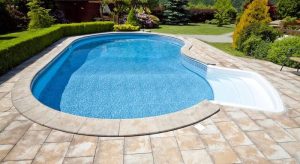
Most homeowners are not trying to build a luxury resort backyard. You usually just want the pool to feel smooth, clean, and reliable again without wasting money on the wrong repair.
Sometimes a new layer of plaster is enough. Other times, the visible wear is only hiding deeper problems underneath the surface.
The hard part is knowing the difference before the work starts.
A proper inspection tells you far more than photos ever will. Hollow spots, moisture intrusion, weak areas around fittings, and hidden structural wear only show themselves once somebody has actually walked the pool.
Creative Pool & Spa helps homeowners sort through those decisions honestly. If your pool starts showing roughness, stains, fading, cracks, or recurring repair issues, the right recommendation depends on what condition the shell is truly in underneath the finish.
Frequently Asked Questions
1. Can I replaster a pool without resurfacing it?
Yes, if the pool surface damage is mostly cosmetic. Replastering works well when the shell is still structurally sound, and the main issues are stains, rough textures, or fading plaster.
2. How do I know if a pool needs resurfacing instead of replastering?
Recurring cracks, hollow spots, loose tile, or water loss usually point toward deeper problems beyond worn plaster. A professional inspection helps determine whether the damage is only surface-level or affects the pool shell underneath.
3. Does rough pool plaster mean the pool is failing?
Not always. Rough plaster usually means the finish layer is deteriorating from age, chemicals, or wear. But if roughness appears alongside cracks or hollow areas, the issue may go beyond cosmetic damage.
4. What happens if I wait too long to resurface a pool?
Delaying repairs can allow moisture to penetrate deeper into the structure. Minor surface wear can eventually lead to larger cracks, tile failure, leak issues, and more expensive restoration work later.
5. Is quartz or pebble better for long-term pool durability?
Quartz and pebble finishes generally last longer than traditional white plaster because they resist stains, chemical wear, and rough textures better over time. The best option depends on budget, maintenance habits, and how long you plan to keep the pool.