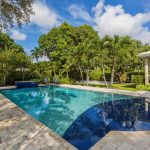
It’s a familiar Saturday morning: you’re looking out at the pool, but instead of clear blue water, you’re noticing the stains in the deep end, a few rough patches near the steps, and a finish that just looks tired.
The immediate thought is usually, “Can’t we just paint it?” It makes sense. On paper, it’s the fast, budget-friendly “reset” button that gets the pool looking fresh by next weekend without the price tag of a full renovation. In the moment, it feels like the smartest way to solve the problem.
But in the Florida sun, the real cost of a pool project isn’t what you pay on day one. It’s how many times you end up paying for it. The question is not whether pool paint works. It’s how long that win actually lasts before the same issues show up again. Here is a grounded look at how paint and resurfacing play out over the next five to ten years, so you can decide where your money is really going.
Why Pool Paint Feels Like the Smart Choice at First
At first glance, pool paint checks all the boxes. It’s cheaper upfront. That alone makes it attractive, especially if you’re trying to stay within a tight budget. A full pool renovation or pool resurfacing project can feel like a big commitment, while painting feels manageable.
It’s also fast. In places like Orlando or Lakeland, many homeowners want something quick before summer hits. A painted pool can look clean and refreshed in just a few days. No long downtime. No drawn-out process.
And visually, it works. Fresh paint creates a smooth, even color. It hides stains. It makes a worn pool surface look almost new again. That’s the appeal. It solves what you can see. But what you can’t see is where things usually start to shift.
What Actually Happens to Pool Paint Over Time
The Florida environment is not kind to painted pools.
Strong sunlight, constant water exposure, and fluctuating water chemistry all work against that thin coating. Even when applied properly, pool paint is still just a surface layer. It has to adhere to whatever is underneath, whether that’s concrete, plaster, or gunite.
Over time, that bond starts to weaken. You might notice:
Fading color or a dull finish
Chalky residue on your hands or feet
Small flakes or peeling areas
Rough spots are forming again.
In Punta Gorda or coastal areas, the combination of chlorine, salt, and heat speeds this up even more. What looked clean at first can start to look worn again within a couple of years.
This is usually the moment where the quick fix starts to feel like a lot of extra work to many homeowners.
The Cost Creep Most Homeowners Don’t See Coming
The part that catches people off guard is not the first job. It’s the second. Then the third.
Repainting is not just rolling on another layer of paint. Before you can even paint your pool again, the old coating often needs to be removed. That means prep work like acid washing, grinding, or sanding down areas where the surface is failing.
That’s a lot of labor for something that’s only temporary. When you realize you’re paying for that same intense prep every few years, the real costs start stacking up.
Each cycle looks something like this:
Drain the pool
Strip or clean the old coating
Repair rough or damaged areas.
Apply new pool paint.
Refill and rebalance water chemistry.
You also lose use of the pool every time this happens.
After a couple of cycles, what felt cheaper at the start doesn’t feel that way anymore. Over five to seven years, the total money spent can get close to what a full pool resurfacing would have cost from the beginning, and that’s usually the turning point.
What Pool Resurfacing Changes Long-Term
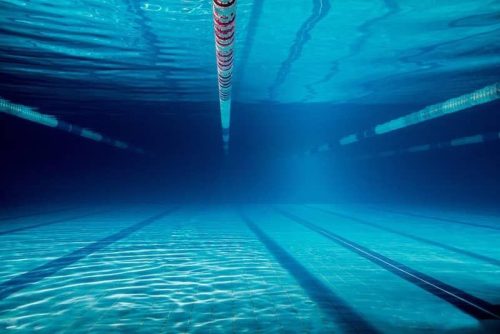
When you look at resurfacing, the conversation changes from how much it costs today to how much it saves you over the next decade. Pool resurfacing is not just about improving the look. It addresses the condition of the base layer. The surface gets rebuilt, not just covered.
This is also where many homeowners realize the issue was never just the finish. It was what was happening underneath. Problems like rough textures, recurring stains, or peeling layers tend to come back because the base is already breaking down. These are the same patterns seen in common pool resurfacing problems, where surface damage builds gradually before becoming more obvious .
With resurfacing, you’re working with more durable materials like pebble, quartz, or updated plaster finishes. These are designed to handle Florida’s heat, chemicals, and daily maintenance better.
There’s also a difference you can feel.
A resurfaced pool surface feels solid underfoot. Not chalky. Not thin. Just smooth and consistent. Under LED lighting, it looks deeper and more natural compared to flat paint.
It’s also more forgiving. Balanced water chemistry still matters, but modern finishes are less sensitive to swings in chlorine or other chemicals.
Instead of repeating the same process every few years, resurfacing gives you a longer run before you need to think about it again.
When Pool Paint Actually Makes Sense
There are situations where pool paint is the right call.
It works when:
You plan to sell the home soon.
You need a quick aesthetic improvement.
The budget does not allow for resurfacing yet.
You want a temporary reset before a larger project.
In these cases, painting is not a bad idea. It does what it’s meant to do. It makes the pool look better fast. The key is just seeing it for what it is, a short-term move, not a long-term solution.
When Pool Resurfacing Is the Smarter Move
There’s a point where continuing to repaint becomes more difficult than it’s worth.
Resurfacing makes more sense when:
The pool surface feels rough or uneven.
You’ve already gone through one or two repainting cycles.
Stains or algae keep coming back.
You plan to stay in the home for several years.
At that stage, the issue isn’t just cosmetic anymore. It’s actual wear and tear on the structure. This is where resurfacing stops being a choice and starts being the only reliable way to fix the root problem.
Pool Paint vs Resurfacing: A Simple Long-Term Comparison
Here’s a clear way to look at it over time:
Factor | Pool Paint | Pool Resurfacing |
Upfront Cost | Lower | Higher |
Lifespan | 1 to 3 years | 10 to 15+ years |
Maintenance | Frequent | Minimal |
Surface Feel | Can be chalky or slick | Smooth and solid |
Durability | Thin coating | Built to last |
Estimated 10-Year Cost
Pool Paint: $8,000 to $15,000+ from repeated jobs and prep
Pool Resurfacing: $6,000 to $12,000, depending on material
That gap is where the decision usually becomes clear.
So, Is Pool Paint a Cheap Fix or an Expensive Mistake?
It depends on what you need right now.
If you need a fast, affordable way to improve how your pool looks, pool paint does the job. It’s a quick fix that works in the right situation.
But if the goal is to stop repeating the same repair every couple of years, the numbers start to tell a different story. That’s where pool resurfacing becomes the more practical move in the long run.
At Creative Pool & Spa, the focus stays simple. Start with what the surface actually needs. Then recommend a solution that holds up, not just something that looks good for now. Because the real win is not just a better-looking pool. It’s not having to redo it again anytime soon.