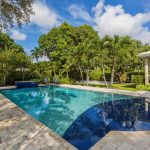
A lot of Florida homeowners spend thousands on pool resurfacing and still end up disappointed.
The finish looked great in the brochure. The contractor said it was popular. A neighbor recommended it. Then, a few years later, the surface starts showing stains, rough spots, or wear that nobody mentioned during the sales process.
The problem is that there is no single best pool resurfacing material for every Florida pool. A finish that performs well in a coastal Naples backyard may not be the smartest choice for a family pool in Orlando. Heat, rainfall, salt air, water chemistry, and even how often the pool gets used all play a role.
Before investing in a new pool finish, it helps to understand which materials perform best in different parts of Florida and why. In this guide, you’ll learn how plaster, quartz, pebble, and other resurfacing options compare, which materials make the most sense in cities like Tampa, Sarasota, Naples, and Orlando, and how to choose a finish that fits your budget, maintenance expectations, and long-term plans.
Key Takeaways
|
Why the Best Pool Resurfacing Materials Depend on Where You Live in Florida
The best pool resurfacing materials for your Florida pool depend on local exposure, not just appearance.
A finish can look great in a showroom and still be the wrong choice for your backyard. Florida heat, rain, humidity, salt air, and constant usage all affect how a surface performs after the crew leaves. Some finishes handle chemical swings better. Some hide stains better. Some feel smoother underfoot. Some give you a more upscale look but need a higher upfront investment.
Think about a concrete pool in Sarasota near the coast. It may need a finish that handles salt air, mineral buildup, and steady sun. Now compare that to a family pool in Brandon, where kids are in and out all weekend. That pool may need a durable, cost-effective option that can handle heavy use without pushing the budget too far.
The wrong choice can leave you frustrated. You spend good money, then notice rough patches, stains, or a finish that does not match the home. The right choice makes the resurfaced pool feel cleaner, safer, and easier to enjoy.
What Florida Conditions Do to Pool Surfaces
Florida conditions make pool surfaces work harder than they would in colder states.
Your pool is not sitting idle for half the year. You are dealing with long swim seasons, warm pool water, frequent rain, and constant chemical adjustments. That mix puts pressure on the pool finish. It can also make a cheap surface age faster than expected.
In Tampa and St. Petersburg, coastal humidity and storm cycles can make water balance harder to control. In Orlando and Lakeland, heat and afternoon rain can create constant swings in water chemistry. In Naples and Fort Myers, many homes have pools that are often used, especially in high-end outdoor living spaces.
Poor material choice does not always fail right away. It usually shows up slowly. A slightly rough surface. More brushing. More staining. More calls for pool cleaning. Over time, the pool starts feeling like work instead of relief.
The Main Pool Resurfacing Options Florida Homeowners Compare
Most Florida homeowners compare plaster, quartz, pebble, and polished aggregate before resurfacing a pool.
Each option has a place. The mistake is assuming one finish is best for every backyard. A lower-cost finish can make sense for some older pools. A premium finish can make more sense if you plan to stay in the home, use the pool often, or want a more custom look.
Material | Best Fit | Main Strength | Watch-Out |
Standard plaster | Budget-focused projects | Lower upfront cost | More sensitive to stains and chemical swings |
Quartz | Most family pools | Strong balance of cost, beauty, and durability | Costs more than basic plaster |
Pebble | Long-term homes and premium pools | Tough, textured, upscale | Higher investment |
Polished aggregate | Luxury upgrades | Smooth feel and refined look | Premium pricing |
Fiberglass gelcoat | Some fiberglass pools | Smooth and lower maintenance | Not for every pool type |
These are the popular pool resurfacing materials you will hear about most often. The best one depends on the pool, not just the brochure.
Standard Pool Plaster: Best for Tight Budgets, Not Every Florida Pool
Standard pool plaster is usually the most affordable resurfacing choice.
It is made with white portland cement and fine aggregate. It gives a clean, classic look and a smooth texture when installed correctly. For some older gunite pools, it can be a reasonable choice when the goal is basic function without a luxury upgrade.
But plaster is less forgiving. If your pool chemicals swing too much, the surface can stain, etch, or feel rough sooner. In places like Orlando, Brandon, and Lakeland, where rain and heat can keep water balance moving, plaster requires more attention.
Picture a budget-conscious homeowner in Brandon who wants the entire pool refreshed before selling the house. Plaster may make sense. But if you plan to stay for years and use the pool every weekend, a stronger finish may save you stress later.
Plaster works best when you accept the tradeoff. Lower upfront cost. More maintenance discipline.
Quartz: The Best Overall Value for Many Florida Pools
Quartz is often the best middle-ground finish for Florida homeowners.
Quartz finishes blend plaster with colored quartz aggregate. Some include glass beads for extra visual depth. The result is a harder, more stain-resistant surface than basic plaster, without jumping into the highest price tier.
For Orlando, Lakeland, Brandon, and many Tampa-area homes, quartz is often the smart choice. It handles regular use well, gives you better color options, and stays practical for homeowners who want value without going cheap.
Think of a family in Lakeland with a pool used by kids, guests, and neighbors all summer. Basic plaster might look fine at first, but quartz gives the surface more protection against daily wear. You get better performance without turning the project into a luxury renovation.
Quartz is usually the safest recommendation when you want the best pool resurfacing option for everyday Florida living.
Pebble Finishes: Best for Coastal, Luxury, and High-Use Pools
Pebble finishes are often the strongest choice for coastal and high-use Florida pools.
These finishes use exposed aggregate, often with natural stone, to create a tougher and more textured surface. They bring natural beauty, a more custom look, and better resistance to wear than basic plaster.
In Naples, Sarasota, Fort Myers, Cape Coral, and Punta Gorda, pebble pool finishes make sense for many homeowners. These markets often have outdoor spaces where the pool is a major feature, not just a place to cool off. A premium finish can better match the home, the patio, and the overall backyard design.
The texture is the main thing to think about. Some people love the natural texture. Others prefer a softer feel. A good pool resurfacing company should show you samples before you commit.
Pebble is not the cheapest route. But if your goal is fewer headaches, stronger visual impact, and less frequent resurfacing, it is often worth serious consideration.
Polished Aggregate: Best for a Smooth, High-End Finish
Polished aggregate is best when you want a premium finish without a rougher feel.
It gives you a refined surface that can look more upscale than standard plaster while feeling smoother than many exposed pebble options. For homeowners who want a luxurious finish but worry about rough textures, this can be a strong middle lane.
In Sarasota, Naples, and Bradenton, polished finishes can work well when the pool sits near a finished outdoor kitchen, lanai, or upgraded pool deck. The surface feels more intentional. It does not look like a basic repair. It looks like part of a planned pool renovation.
The downside is cost. These are premium materials, and the final price can vary by size, prep work, and finish choice. Because these projects are priced by the square foot, the cost for a large pool can climb quickly.
Still, if the goal is comfort, appearance, and long-term pride, polished aggregate deserves a spot on the list.
Fiberglass and Vinyl Pools Need a Different Conversation
A fiberglass pool or vinyl pool does not follow the same resurfacing path as a plastered concrete pool.
Concrete and gunite pools are usually resurfaced with plaster, quartz, pebble, or aggregate finishes. A fiberglass pool may need fiberglass pool resurfacing, often with a new gelcoat or compatible coating system. A vinyl pool usually relies on vinyl liners, not traditional plaster resurfacing.
This matters because using the wrong process can create bigger problems. You cannot treat every pool type the same way. The pool shell, existing material, and prior repairs all affect what can be applied.
For example, a homeowner in Fort Myers with a fiberglass pool may search for swimming pool resurfacing and assume pebble is an option. It may not be. The better move is to have the pool inspected first so the right system is matched to the structure.
The safest result comes from choosing based on pool type, not just finish preference.
Best Material for Tampa, Clearwater, and St. Petersburg Pools
Quartz is often the best overall choice for Tampa Bay pools, while pebble makes sense for premium coastal properties.
Tampa, Clearwater, and St. Petersburg pools deal with humidity, storms, and salt-air influence, especially closer to the coast. A finish needs to handle water balance changes and still look good after constant sun and use.
Homeowners researching pool resurfacing in Tampa often find that quartz provides the strongest balance between durability, appearance, and overall value. It offers more protection than standard plaster without pushing the project into the highest price range.
Pebble becomes more appealing when the home sits near the water, the pool sees heavy use, or the goal is a more upscale finish. For many pool resurfacing in Clearwater projects, pebble remains a popular choice because it handles coastal conditions well and complements higher-end outdoor spaces.
A Clearwater pool near the coast may benefit from pebble because it can resist wear and hide minor surface variation better. A Tampa family pool may be better served by quartz because it balances durability and budget.
For these cities, avoid choosing only by upfront price. Coastal exposure has a way of punishing weak decisions.
Best Material for Orlando, Lakeland, and Brandon Pools
Quartz is usually the best value for Orlando, Lakeland, and Brandon homeowners.
These inland markets still deal with heat, heavy rain, and active family use, but they do not always need the same premium finish as a coastal luxury pool. A good quartz finish gives you strength, color options, and practical maintenance without overbuilding the project.
Homeowners researching pool resurfacing in Orlando often find that quartz delivers the best balance between durability and affordability. It provides more protection than standard plaster while avoiding the higher investment associated with premium aggregate finishes.
Similar trends appear in pool resurfacing in Lakeland projects, where pools tend to see regular family use throughout much of the year. In Brandon, many homeowners want a clean upgrade that improves appearance and performance without turning the project into a full pool restoration.
A plaster finish may work if the budget is tight. Pebble may work if the pool gets heavy use or the home is being upgraded for long-term ownership. But for many homeowners in these inland cities, quartz hits the best balance.
You get a better surface without paying for features you may not need.
Best Material for Cape Coral, Fort Myers, and Punta Gorda Pools
Pebble is often the strongest option for Cape Coral, Fort Myers, and Punta Gorda pools, with quartz as the best value choice.
Southwest Florida pools often face coastal air, high sun exposure, and seasonal use patterns. Some homes sit empty for parts of the year. Others host family, guests, or renters. In both cases, the finish needs to be forgiving.
Pebble works well because it is durable, textured, and visually strong. Quartz works well when you want a cleaner budget and an easier decision. Basic plaster can still work, but only if you are ready to stay on top of proper water chemistry and periodic cleaning.
Homeowners considering pool resurfacing in Fort Myers often gravitate toward pebble finishes because they offer a strong combination of durability, appearance, and reduced maintenance demands. For seasonal residents, that added resilience can be especially valuable when the property sits vacant for portions of the year.
Imagine a Fort Myers homeowner who only uses the home part of the year. A lower-maintenance finish can reduce stress because the pool may not get the same daily attention. In that case, paying more up front can feel better than dealing with constant surface issues later.
The goal is not just beauty. It is peace of mind when you are not watching the pool every day.
How to Choose Based on Budget, Use, and Maintenance Style
The right material is the one that fits how you actually live with the pool.
If you want the lowest upfront price, plaster may work. If you want the best balance, quartz is usually the safer choice. If you want strength, style, and a more custom finish, pebble or polished aggregate deserves a closer look.
Use this quick guide:
Your Priority | Best Fit |
Lowest upfront cost | Plaster |
Best overall value | Quartz |
Coastal durability | Pebble |
Premium appearance | Pebble or polished aggregate |
Smooth upscale feel | Polished aggregate |
Everyday family use | Quartz |
Lower maintenance goal | Pebble or quartz |
Most pool owners start by asking what looks best. A better question is what will fit your maintenance habits. If you hate constant brushing, chemical checks, and stain treatment, do not choose the most delicate option just because it saves money today.
Many pool professionals will tell you that the prep and material match matter as much as the finish itself. A beautiful new surface can fail early if the prep is rushed or the material is wrong for the pool.
What Not to Decide From This Article Alone
You should not choose a final material until the existing pool surface is inspected.
Photos and samples help, but they do not show what is happening under the old finish. Cracks, hollow areas, prior coatings, bond failure, and shell issues can change the best path. Sometimes, pool replastering is enough. Other times, the job needs more prep before any new layer goes on.
A Sarasota homeowner may want pebble, but the old surface may need deeper prep first. A Tampa homeowner may want quartz, but old paint or failing plaster may need removal. A Naples homeowner may want glass tiles or upgraded waterline tile as part of the same project, which changes the scope.
The wrong inspection can lead to costly repairs. The right one helps you avoid paying twice.
How This Material Guide Connects to Lifespan
This guide helps you choose the right material by city, while a lifespan guide helps you understand how long that choice may perform.
Material choice and lifespan are connected, but they are not the same topic. Here, the focus is on fit. Your city. Your pool type. Your usage. Your maintenance tolerance. Your design goals.
If you want the deeper timeline breakdown by finish, read the existing guide on how long pool resurfacing lasts in Florida. That article explains why the common 10 to 15-year rule is only a starting point and why Florida pools can age differently.
Used together, both guides help you make a better decision. One tells you what may fit. The other tells you what affects the timeline.
Before You Choose a Finish, Get the Pool Looked At
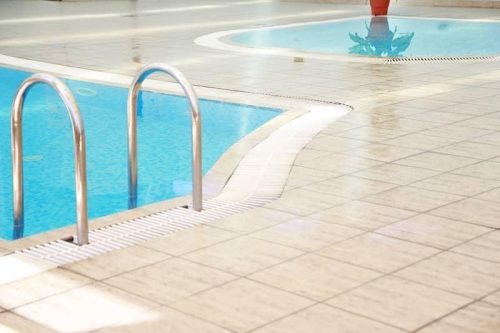
A professional inspection is the best next step before choosing your finish.
A qualified team should look at the surface condition, existing material, drainage, waterline, interior finish, and signs of more serious damage. They should also ask how you use the pool, how often you maintain it, and how long you plan to stay in the home.
Creative Pool & Spa helps Florida homeowners choose pool resurfacing materials based on real conditions, not guesswork. Whether your pool is in Tampa, Brandon, Clearwater, St. Petersburg, Lakeland, Orlando, Sarasota, Cape Coral, Fort Myers, Naples, Bradenton, or Punta Gorda, the right recommendation should match your city, your pool, and your budget.
If you want a finish that looks right and holds up under Florida conditions, start with a clear evaluation. A professional company can help you compare pool resurfacing options, avoid the wrong material, and plan a resurfacing project that fits the way you actually live.
A better surface changes more than the look of the pool. It changes how you feel every time you step outside.