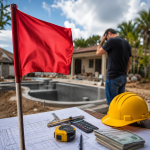
A neglected pool can go downhill faster than most homeowners expect. One season of ignored pool water chemistry, clogged pool filter systems, or nonstop algae growth can turn a usable backyard feature into a major repair bill. If you are searching for how to restore a neglected pool, the biggest mistake is rushing into cosmetic fixes before figuring out what actually failed.
In Florida cities like Clearwater, Lakeland, and Cape Coral, heat and heavy rain speed up damage fast. A rough surface, murky green water, or broken pool equipment usually points to deeper issues underneath. Sometimes the process only needs cleaning and repairs. Other times, the pool shell, plumbing, or filtration system had already taken serious damage.
In this blog, you will learn how to assess a neglected pool, what problems should be checked first, which repairs are actually worth the money, and how to avoid common mistakes that turn smaller issues into expensive renovations. The goal is to help you bring the pool back to life without wasting money on the wrong fix.
Key Takeaways
|
Why Neglected Pools Become Expensive So Fast
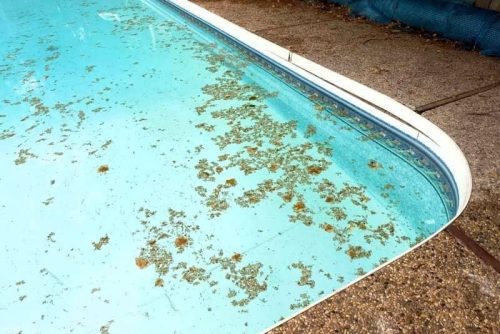
The real danger with a neglected pool is that problems rarely stay isolated. They cascade. Think of it as a domino effect. If algae takes over, that dirty water severely strains your pool pump. Once the equipment struggles, poor circulation throws off your chemical levels. From there, toxic pool water chemistry quietly eats away at your pool surfaces. Before you know it, a single missed maintenance day turns into a cascade of expensive repairs.
The first thing many homeowners notice is murky water or heavy algae. But underneath that green color, the bigger damage often starts quietly. Debris sits on the floor for several days or even months. Leaves stain the surface. Calcium buildup hardens around the tile. Filters clog. The system loses circulation.
A common example happens after storms in Florida. A homeowner in Cape Coral lets the pool neglected during the rainy season because the house is vacant. The water level drops slowly due to a leak. The pool pump keeps running dry. By summer, the equipment overheats, algae spreads across the walls, and the plaster starts roughening from poor pH levels.
Now the repair involves:
Leak detection
Equipment replacement
Surface restoration
Chemical correction
Deep cleanup
What could have been routine regular maintenance becomes thousands in repairs.
The longer a pool sits without attention, the more damage spreads into areas you cannot immediately see. You are not just cleaning water anymore. You are protecting the entire structure and extending the life of the pool itself.
Step 1: Determine If the Pool Has Structural Problems First
The first step in how to restore a neglected pool is checking whether the structure itself is still stable. Cosmetic repairs mean nothing if the pool shell already has movement, cracking, or underground leaks.
Start by looking closely around the pool and the surrounding ground. Small hairline cracks are common in older concrete pools. Bigger warning signs are different. Uneven settling, separating tile, hollow spots, or constant water loss usually point toward structural trouble.
Pay attention to:
The water level keeps dropping quickly.
Cracks widen over time.
Decking pulls away from the shell.
Soil near the pool stays wet.
The pump constantly loses pressure.
Florida soil conditions matter here. In areas like Lakeland and Clearwater, shifting moisture in the ground can create movement underneath older pools. A leak under the shell may slowly wash out soil without you realizing it.
This part gets overlooked all the time because homeowners focus on appearance first. They see green water and rough plaster and immediately want resurfacing. But resurfacing over active leaks wastes money fast. The new finish can crack again within months.
Another major risk comes when homeowners try to drain the pool themselves without understanding groundwater pressure. Florida has a high water table in many areas. An empty shell can literally lift upward or crack if hydrostatic pressure builds underneath. It does not happen every day, but when it does, the repair bill becomes massive.
A proper inspection should assess:
Structural cracks
Plumbing leaks
Hydrostatic pressure risks
Equipment function
Shell stability
Once you evaluate the structure first, the rest of the restoration process becomes much clearer and far less wasteful.
Step 2: Check the Pool Surface Before Assuming It Needs Resurfacing
Not every ugly pool surface needs full resurfacing. Sometimes, a deep clean, proper pool chemicals, and an acid wash can dramatically improve the appearance without tearing everything out.
The key is knowing the difference between cosmetic staining and permanent damage.
Start by removing large debris using a leaf rake or net. Then inspect the walls and floor closely. Organic stains from leaves and algae often sit on the top layer only. Mineral buildup from poor calcium hardness balance may also look worse than it actually is.
In some cases, you can restore the appearance with:
A heavy scrub using a pool brush
Chemical treatment
Shock treatment
Acid washing
Proper filtration cleanup
A homeowner in Clearwater may think the plaster is ruined because the pool turned dark green after months of sitting. But after removing large debris, balancing pH levels, and running the filtration system continuously, the original finish may still clean up surprisingly well.
Still, some damage cannot be reversed.
You are probably looking at resurfacing if the surface feels sharp underfoot, plaster is flaking, aggregate is exposed, or stains keep returning, no matter how much you clean. Rough pool surfaces also trap algae more easily, which creates an ongoing maintenance battle.
Cheap patch jobs usually fail, too. Pool paint often peels and chips, turning what seemed like a budget-friendly shortcut into a messy, short-lived fix that complicates future resurfacing. When you rely on temporary fixes, spot repairs quickly discolor, and underlying surface cracks reopen because the core finish has already deteriorated.
Before spending thousands, inspect the finish honestly. Some pools need resurfacing immediately. Others simply need the right cleanup process and balanced pool water chemistry to start fresh again.
Step 3: Inspect Pool Equipment Before Replacing Everything
A neglected pool often looks worse because the pool equipment has stopped doing its crucial role properly. Weak circulation allows algae, debris, and bacteria to build up fast.
Before replacing everything, inspect the system carefully.
Start with the pool pump and pool filter. Check whether the pump primes correctly and maintains steady pressure. Dirty cartridge filters or clogged de filters can make the water look terrible, even if the equipment itself still works.
Sometimes the fix is simple:
Clean filter cartridges
Backwash the system
Replace worn seals
Repair clogged plumbing
Clear blocked skimmer lines
A homeowner in Cape Coral may assume the entire system is dead because the water stays cloudy. But after cleaning the filter, restoring circulation, and balancing pool chemicals, the water clears within several days.
Other times, replacement makes more sense.
Older equipment running inefficiently can raise electric bills fast in Florida’s heat. If the pool pump constantly overheats, leaks, or loses power, replacement may save money long term. Corroded systems also struggle to maintain healthy chemical levels.
Pay attention to warning signs:
Loud grinding sounds
Weak return jets
Constant algae return
Dirty water after shocking
Air bubbles in lines
Poor suction during vacuum cleaning
The goal is not to replace everything blindly. It is figuring out which parts still have usable life and which ones are costing you more by staying in place.
Step 4: Understand the Difference Between Restoration and Full Renovation
Many homeowners confuse restoration with renovation. They are not the same thing, and knowing the difference can save you a huge amount of money.
Pool restoration focuses on making the pool functional, safe, and clean again. Full renovation changes the appearance or layout completely.
A restoration project usually includes:
Cleaning and debris removal
Leak repair
Equipment repair
Balancing pool water chemistry
Surface repair
Tile replacement
Restoring circulation
A renovation goes further. You may add:
New decking
LED lighting
Water features
Spa additions
Sun shelves
Shape changes
This matters because many homeowners jump into remodeling before solving the actual damage. A beautiful new finish means very little if the plumbing still leaks underneath or the filtration system barely works.
You also do not always need everything done at once.
A family in Lakeland may restore the existing pool shell, repair the pool equipment, and improve the surface first. Then, next year, they will upgrade the deck and lighting. Breaking projects into phases often helps homeowners avoid overspending.
The smartest restoration plans focus on function first. Once the pool is stable, clean, and operating properly, cosmetic upgrades become much easier to prioritize without panic spending.
The Most Common Money-Wasting Mistakes Homeowners Make
One major mistake is trying to drain the pool without professional guidance. Florida groundwater creates upward pressure underneath the shell. If conditions are wrong, the shell can literally pop upward from the ground. It sounds dramatic because it is. Once a shell lifts or cracks, repairs become extremely expensive.
Another common problem is replacing pool equipment before diagnosing circulation issues. A dirty pool filter, blocked line, or clogged skimmer may be the real problem. Yet many homeowners immediately replace the pump first.
Skipping proper cleanup also creates problems. If you leave as much debris sitting in the water as possible while trying to balance pool chemicals, algae keeps feeding underneath. The cleanup stage matters more than many people realize.
Homeowners also underestimate how important testing is. Guessing chemical balance instead of using a proper test kit often damages the surface further. Low chlorine, unstable pH, and poor calcium hardness levels slowly wear down plaster and tile.
A few mistakes that cost homeowners the most:
Draining without assessing groundwater risks
Resurfacing before leak detection
Ignoring failing pool equipment
Using too many harsh pool products
Delaying repairs for another season
You do not need to panic over every issue. But you do need the right steps in the right order. Restoration becomes far cheaper when problems are caught early instead of layered on top of each other year after year.
How to Restore a Neglected Pool Without Overspending on the Wrong Repairs
The cost of how to restore a neglected pool depends entirely on what failed and how long the pool’s neglected condition has been sitting untreated.
Minor restorations usually stay manageable. If the shell is stable and the equipment still works, the project may only involve cleanup, chemical balancing, and surface treatment.
Typical lower-cost restoration work includes:
Deep cleaning
Algae treatment
Acid wash
Filter cleaning
Minor plumbing repair
Rebalancing pool water chemistry
Mid-range projects usually involve resurfacing or partial equipment replacement. A pool pump, pool filter, or damaged tile section may need to be replaced. Plumbing leaks can also raise labor costs quickly because technicians often need to inspect underground lines carefully.
Major restoration costs happen once structural damage enters the picture. Cracked shells, severe leaks, lifted decking, or long-term neglect push projects into renovation territory quickly.
For example, a homeowner in Clearwater may think the project only needs a cleanup because the water turned green. After inspection, technicians discover:
Underground plumbing leaks
A failing filtration system
Rough deteriorated plaster
Blown or torn D.E. grid filters
Cracked coping
Now the project has become much larger than expected.
The smartest approach is to separate essential repairs from optional upgrades. Fix circulation, leaks, pool surfaces, and safety concerns first. Cosmetic upgrades can happen later if needed.
Season also affects pricing in Florida. Demand rises heavily before summer, especially in areas like Cape Coral, where homeowners want pools ready before peak heat arrives.
A professional inspection helps you assess where money actually matters instead of throwing budget at temporary fixes that fail again later.
Signs It’s Better to Restore the Pool Now Instead of Waiting
A neglected pool rarely fixes itself by sitting longer. Usually, the opposite happens. Small issues spread into bigger repairs while the pool becomes harder and more expensive to recover.
One clear sign is recurring algae growth. If you constantly shock the water but it turns green again, the filtration system or pool water chemistry likely has deeper problems.
You should also pay attention if:
The surface feels rough or sharp.
The water level keeps dropping.
The pool pump runs nonstop.
Cracks begin spreading
Stains worsen every season.
The backyard starts looking abandoned.
In Florida, heat speeds up deterioration fast. A pool sitting untreated through another summer often develops heavier staining, worse scaling, and additional equipment strain.
There is also the pleasure factor. Many homeowners stop using the pool completely because cleanup seems overwhelming. The space becomes stressful rather than relaxing.
Restoring the pool earlier generally gives you more repair options and lower costs. Waiting until the shell, plumbing, and equipment fail together removes flexibility quickly.
Restore the Pool the Right Way Before Small Problems Turn Into Major Repairs.
Learning how to restore a neglected pool starts with slowing down and first diagnosing the real problems. The smartest projects focus on structure, circulation, leaks, and pool water chemistry before cosmetic upgrades ever begin. This approach saves money and prevents repeat repairs later.
Florida pools deal with intense sun, algae, storms, and heavy rain year after year. In cities like Lakeland, Clearwater, and Cape Coral, neglected conditions escalate faster than many homeowners expect. A rough surface, failing pool equipment, or constant algae problem usually points toward deeper issues underneath.
At Creative Pool & Spa, restoration projects are approached with long-term durability in mind, not temporary patchwork fixes. Sometimes the right solution is a targeted repair and cleanup. Other times, phased restoration makes more financial sense than rushing into a full renovation.
The key is taking the right steps in the right order so the pool comes back to life without wasting money on the wrong fix.