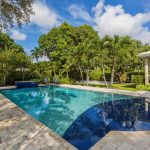
In Florida, the 10 to 15-year rule for pool resurfacing is more of a suggestion than a guarantee.
That number gets thrown around a lot. But in places like Orlando, Sarasota, and Naples, your swimming pool deals with more stress than most. Constant sun. Heavy rain. Frequent chemical adjustments. It all adds up.
What catches most pool owners off guard is how gradual the wear feels. The pool surface does not fail all at once. It starts small. A little roughness. A few stains that stick longer than they should. Then one day, the entire surface just feels worn out.
So if you are asking how long does pool resurfacing lasts, the better question is what actually controls that timeline.
What “Pool Resurfacing Lifespan” Really Means
Most pool owners think lifespan is about appearance. If the pool still looks okay, it must still be fine. That assumption is where problems begin.
A pool surface can still hold water while quietly breaking down underneath. And once that happens, costs tend to climb faster than expected.
Cosmetic Lifespan vs Functional Lifespan
Cosmetic lifespan is what you see first. Fading color. Rust stains. A slightly rough feel. This is when many homeowners start thinking about resurfacing pool options.
Functional lifespan is different. This is when the surface layer becomes porous. It starts absorbing chemicals. It stains faster. It becomes harder to clean.
Think of a plaster pool in Sarasota that still looks decent from a distance. Up close, you will notice calcium deposits and light etching. That is already a sign that the surface is past its functional prime.
Why Waiting Too Long Increases Costs
Timing matters more than most expect.
If you resurface a pool early, the job stays focused on the surface. Wait too long, and the damage moves deeper. Small cracks expand. The pool shell gets exposed.
At that point, you are no longer just adding a new layer. You are fixing underlying issues. That is where the pool resurfacing cost starts to climb quickly.
Average Lifespan by Pool Surface Type in Florida
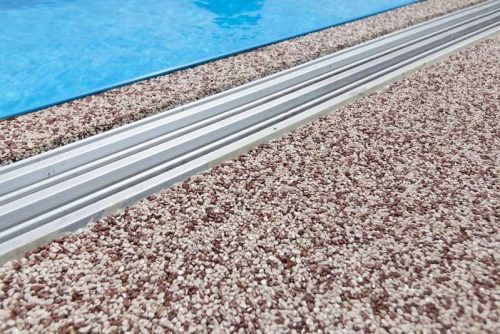
Not all pool types age the same. The materials used on your pool finish play a big role in how long things last, especially under Florida conditions.
Here is a quick breakdown to make it easier to compare at a glance:
Surface Type | Typical Lifespan | Best For… | Maintenance Note |
Standard Plaster | 5 to 10 Years | Budget-conscious projects or older concrete pool builds | Prone to stains and etching, especially under heat and chemical swings |
Quartz or Diamond Brite | 10 to 15 Years | Most Florida family pools | Strong balance of durability and pool resurfacing cost control |
Pebble Finishes | 15 to 20+ Years | High-traffic, long-term homes | Holds up best against chemicals and heavy use |
Fiberglass (Gelcoat) | 10 to 15 Years | Pool owners looking for lower maintenance | Smooth surface resists algae but may need fiberglass pool resurfacing over time |
Vinyl Liner | 7 to 10 Years | Lower upfront cost and flexible pool types | Requires full vinyl liner replacement, not traditional resurfacing |
Standard Plaster (5 to 10 Years)
Basic plaster surfaces use white cement and fine sand. They create a clean, smooth texture at first, but they wear down faster.
In Orlando, where pool water chemistry can shift often, plaster tends to etch and discolor sooner than expected.
Quartz or Diamond Brite (10 to 15 Years)
Quartz blends in aggregate finishes like glass beads. This creates a more durable finish that holds up better under heat and chemical exposure.
A pool contractor will often recommend this for its balance. It lasts longer than basic plaster without jumping to the highest price tier.
Pebble Finishes (15 to 20 Plus Years)
Pebble finishes like Pebble Tec expose natural pebbles, protecting the surface type from direct wear.
In high-use areas like Naples, this finish holds up well because the texture reduces surface breakdown over time.
Fiberglass and Vinyl Pools
A fiberglass pool uses a new gelcoat instead of plaster. Over time, it may require fiberglass pool resurfacing to restore the finish.
A vinyl pool uses a vinyl liner. Instead of resurfacing, the liner is replaced every several years.
So when asking how long does pool resurfacing last, the answer will always vary depending on the type of pool you have.
If you are still comparing fiberglass vs concrete pool options, this guide helps break that down clearly.
Why Pool Surfaces Wear Out Faster in Florida
Florida changes the equation. What lasts longer elsewhere tends to break down sooner here due to constant exposure and use.
Intense UV Exposure and Heat
The sun is relentless. Over time, UV exposure accelerates the degradation of the finish, especially on plaster and lighter surface types.
In Naples, where sunlight is consistent year-round, fading and surface wear show up faster.
Heavy Rain and Water Chemistry Swings
Rain dilutes pool water, forcing frequent chemical adjustments.
These shifts stress the surface layer. Over time, this shortens the functional window of your investment, especially if levels swing too often.
Year-Round Usage
Unlike colder regions, Florida pools stay active.
More use means more brushing, more pool service, and more chemical adjustments. That constant cycle wears down the pool finish faster.
A current pool in Sarasota that gets used weekly will naturally age faster than a seasonal pool in another state.
What Shortens the Lifespan of Pool Resurfacing (Most Homeowners Miss This)
Even the best materials can fail early if the process or upkeep is off. This is where many pool owners run into trouble.
Poor Surface Preparation
The surface already there needs proper prep before anything else. If not, the new surface will not bond correctly. That leads to peeling, flaking, or early wear.
This step is easy to overlook, but it is one of the biggest factors behind premature pool resurfacing failure.
Improper Chemical Balance
Water chemistry has a long-term effect. Too much acidity eats into plaster. Too many minerals create calcium deposits. Over time, the surface becomes rough and stained.
Rushing the Curing Process
After resurfacing, the final step is curing. This is when the new layer hardens and stabilizes. If rushed, the pool surface weakens early.
If you want a deeper look at why timing matters here, this breakdown explains how long pool resurfacing takes and why it matters.
Using the Wrong Materials
Not all resurfacing options fit every pool size or shape. An upfront, cost-effective option might not last as long in a high-use concrete pool. Matching materials to usage matters.
How to Make Pool Resurfacing Last Longer
Once your pool is resurfaced, what you do next makes a real difference.
Stay Consistent With Maintenance
Simple habits protect the surface:
Brush weekly
Keep pool water balanced.
Clean the waterline tile regularly.
These steps help prevent buildup that wears down the surface layer.
Watch Chemical Levels Closely
Avoid large swings. Consistent levels reduce stress on the pool finish and extend the pool’s lifespan.
Schedule Routine Inspections
A yearly inspection from a pool contractor can catch early issues. If you are unsure about your current pool, getting a professional check can help you avoid bigger repairs later with pool resurfacing in Sarasota.
Signs Your Pool Surface Is Near the End of Its Lifespan
Most pool owners miss the early signs. By the time it feels obvious, the surface is already worn.
Rough Texture
A healthy plaster pool should feel smooth. If it feels rough, the surface layer is breaking down.
Stains That Do Not Go Away
Some stains are normal. But when they stop responding to cleaning, it means the surface is absorbing them.
Small Cracks and Flaking
Tiny cracks grow over time. Once flaking starts across the entire surface, resurfacing becomes necessary.
Discoloration and Etching
Fading or uneven color is often a sign that the pool finish is thinning.
If you want a clearer breakdown of early warning signs to watch for before damage gets worse, this guide walks through what to look for.
When to Resurface vs When You Can Still Wait
Knowing when to act can save you money.
When You Can Still Wait
You may hold off if:
The surface is still smooth.
Stains are minor
No visible cracks
At this stage, regular maintenance can extend usability.
When It Is Time to Act
You should move forward if:
The pool needs resurfacing due to roughness.
Stains are permanent
Cracks are spreading
If you are weighing resurfacing against bigger upgrades, understanding cost differences helps clarify the decision.
The Real Lifespan Depends on More Than Just Time
There is no fixed number. Not in Florida. The lifespan of pool resurfacing depends on usage, maintenance, and how the job was done in the first place. Two pools with the same surface type can age very differently.
What matters most is timing. Catch the wear early, and the process stays simple. Wait too long, and the scope grows fast.
If you are unsure where your pool stands, Creative Pool & Spa can take a closer look and help you decide the next step with confidence.
Frequently Asked Questions
Pool resurfacing in Florida typically lasts 5 to 20 years, depending on the material used and the level of maintenance. Heat, heavy rain, and frequent chemical adjustments can shorten that lifespan.
Pebble finishes like Pebble Tec last the longest, often reaching 15 to 20 years or more. They resist chemical damage and hold up better under heavy use compared to plaster.
Common signs include a rough texture, stains that won’t come off, small cracks, and fading color. These indicate the surface layer is breaking down.
Delaying resurfacing can lead to more serious damage, including cracks and potential issues with the pool shell. This often increases repair costs over time.
Yes, consistent maintenance plays a major role. Balanced water chemistry, regular cleaning, and routine inspections help extend the life of the pool surface.