Picking a pool sounds simple until you get into the details. You start comparing fiberglass vs concrete pools, and suddenly every option feels like the “right” one depending on who you ask. But here in Tampa, the decision hits differently. Between Florida’s climate, shifting soil, and intense UV exposure, the pool material you choose affects everything. How it looks, how it holds up, and how much work it takes to maintain.
You’re not just installing an inground swimming pool. You’re building something that becomes part of your daily routine, your weekends, your backyard experience. The wrong pool type can mean more ongoing maintenance, higher chemical usage, or even costly repairs down the line.
This guide breaks it down clearly. No filler. Just what actually matters so you can choose the right pool for your Tampa home.
Why Tampa Conditions Change the Pool Decision
Tampa isn’t a neutral environment for pool construction. The conditions here push materials in ways you won’t see in other states.
Start with the ground. Much of Tampa sits on sandy soil, which shifts more than people expect. That ground movement puts pressure on your pool’s structure, especially over time. Then add heavy rain. Saturated soil expands and contracts, which can stress rigid materials.
Now layer in Florida’s warm weather and year-round sun. That intense UV exposure breaks down finishes, fades surfaces, and affects water chemistry. Pools here don’t get a seasonal break. They’re used constantly.
Humidity plays a role, too. It speeds up algae growth, especially on porous surfaces. If your pool finish holds moisture, expect more cleaning and routine maintenance.
All of this means one thing: the choice between fiberglass and concrete isn’t just about looks. It’s about how each material performs under real Tampa conditions, day after day.
Fiberglass Pools: What Tampa Homeowners Should Know
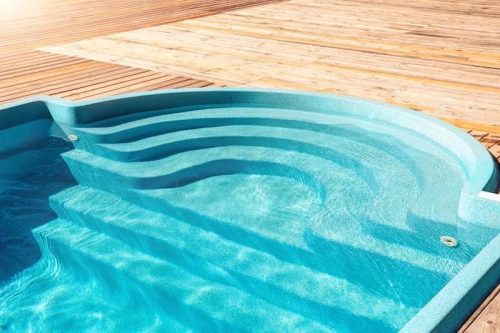
Fiberglass pools are built using pre-formed fiberglass shells made in controlled factory environments. That matters more than it sounds. Because the structure is created off-site, quality stays consistent. No weather delays, no on-site variability.
Installation is fast. A typical inground pool using fiberglass can be completed in weeks, not months. That quick installation appeals to homeowners who don’t want their yard torn up long-term.
The surface is where fiberglass really stands out. It has a smooth, non-porous finish with a protective gel coat. That non-porous surface resists algae growth, which means fewer chemicals, less brushing, and minimal maintenance overall.
But there are trade-offs. Shapes are limited. You won’t get fully custom shapes, swim-up bars, or large-scale luxury features. If your vision is a highly customized backyard oasis, fiberglass can feel restrictive.
Still, for many Florida homeowners, fiberglass delivers an incredibly durable and efficient solution with predictable maintenance requirements and lower annual maintenance effort.
Concrete (Gunite) Pools: What Makes Them Different
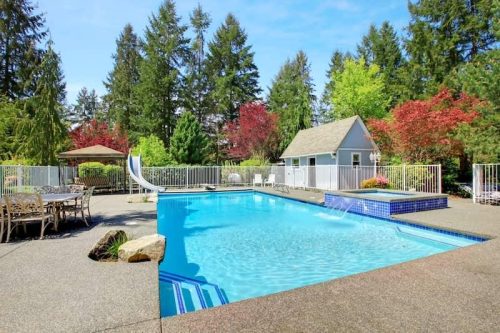
Concrete pools, often built through the gunite process, are the opposite of fiberglass in many ways. This is fully custom concrete construction. You start with a rebar framework, then apply concrete to create the pool’s structure.
This is where design shines. Want sun shelves, tanning ledges, integrated spas, or beach entries? No problem. Concrete gives you complete design freedom. If your goal is a one-of-a-kind dream pool, this is where it happens.
But that flexibility comes with trade-offs.
Concrete surfaces have a porous nature. That means they absorb water, which can lead to more algae growth and higher chemical usage. Expect more brushing, more balancing of water chemistry, and more ongoing maintenance.
Over time, surfaces wear down. You may need acid washing, patching, or even complete resurfacing. These aren’t minor updates. They can become major repairs if delayed.
Still, concrete pools demand attention for a reason. They offer unmatched structural integrity and can be built larger, deeper, and more customized than any other pool material.
Fiberglass vs Concrete Pools: Side-by-Side Comparison
When you compare fiberglass vs concrete pools, the differences become clearer once you look at how they perform in real Tampa backyards. This shows how these pools behave after years of use.
Installation Time
Fiberglass pools: Fast. Often installed in 2–4 weeks.
Concrete pools: Longer timeline due to curing and phased pool construction
If you want to swim sooner, fiberglass wins.
Design Flexibility
Fiberglass: Limited to pre-set molds
Concrete: Full customization: custom shapes, swim-up bars, luxury features
Concrete is the way to go if design is your priority.
Maintenance and Cleaning
Fiberglass:
Smooth non-porous finish
Less algae growth
Lower routine maintenance
Concrete:
Porous surface
Higher chemical usage
More frequent cleaning
This is where fiberglass vs concrete becomes a lifestyle decision. Less work vs more control.
Durability and Structural Performance
Fiberglass: Flexible, adapts to ground movement
Concrete: Rigid, strong, but may develop spider cracks over time
Both are durable, but they behave differently under Tampa soil conditions.
Surface Feel and Comfort
Fiberglass: Smooth, comfortable on feet
Concrete: Rougher texture depending on finish
If comfort matters, fiberglass stands out.
At a glance, here is also a quick comparison.
Feature | Fiberglass Pools | Concrete Pools |
Installation Time | Fast | Longer |
Design Options | Limited | Fully Custom |
Maintenance | Low | High |
Surface Type | Non porous | Porous |
Long-Term Care | Minimal | Requires resurfacing |
At the end of the day, concrete vs fiberglass comes down to what you value more, simplicity or customization.
Long-Term Ownership Differences (What Most Blogs Miss)
Most comparisons stop at installation. But real pool ownership starts after the build.
With fiberglass, the focus is stability. The non-porous surface reduces algae growth, meaning less time balancing water chemistry and fewer chemicals overall. Over the years, that adds up to a lower total cost in maintenance.
Concrete tells a different story. The porous nature means higher upkeep. You’ll likely deal with acid washing, surface wear, and eventually complete resurfacing. These aren’t optional. They’re part of owning concrete surfaces.
Here’s what that looks like over time:
Fiberglass: predictable annual maintenance, fewer surprises
Concrete: higher ongoing maintenance, potential for major repairs
Neither option is maintenance-free, but one clearly demands more attention.
If you’re thinking long-term, not just upfront, this is where the decision between concrete or fiberglass really shows.
Which Pool Type Fits Your Backyard and Lifestyle?
Choosing between a concrete or fiberglass pool isn’t just technical. It’s personal.
If your goal is a simple, clean, low-effort backyard oasis, fiberglass fits. It works well in smaller Florida homes, installs quickly, and keeps maintenance requirements low.
If you’re designing something bigger, something built around entertaining, concrete makes more sense. Think larger layouts, deeper designs, or adding luxury features like integrated spas or oversized sun shelves.
Here’s a quick way to think about it:
Choose fiberglass if you want:
Minimal maintenance
Faster installation time
Lower long-term ownership effort
Choose concrete if you want:
Full design freedom
A larger or more complex pool
A highly customized dream pool
The best pool type isn’t universal. It depends on how you actually plan to use your space.
The Bottom Line for Tampa Homeowners
There’s no universal winner in fiberglass vs concrete pools. There’s only what fits your space, your time, and how much effort you want to put into pool ownership.
Fiberglass keeps things simple. It’s efficient, clean, and easier to manage in Florida’s climate. Concrete gives you freedom. Bigger designs, more features, and full control over the look.
At Creative Pool & Spa, the focus stays on helping you build a swimming pool that actually works for your home, not just what looks good on paper. The right guidance makes the difference between a pool you manage… and one you truly enjoy.
Frequently Asked Questions
In Tampa’s climate, fiberglass vs concrete pools comes down to maintenance and soil behavior. Fiberglass handles ground movement better and resists algae, while concrete offers durability but needs more upkeep in humidity.
Fiberglass pools are built to flex slightly, which helps them handle Tampa’s sandy, shifting soil. Instead of cracking like rigid materials, they adjust with the ground, reducing the risk of structural damage over time.
Concrete pools can last 30–50 years structurally, but the surface doesn’t. Most Tampa pools need resurfacing every 10–15 years due to wear from intense UV exposure, chemicals, and constant use.
Fiberglass is easier to maintain because of its smooth, non-porous surface. It resists algae buildup, uses fewer chemicals, and cuts down on weekly cleaning compared to concrete.
Yes, especially in Tampa. Fiberglass holds up well under Florida’s climate, doesn’t degrade quickly under sun exposure, and keeps maintenance simple, even with year-round use.