Your swimming pool is a massive investment that anchors your outdoor living space, but it relies entirely on a thin, protective topcoat to withstand the brutal Florida elements. Over time, constant sun exposure and changing water chemistry degrade this vital barrier, leaving your pool shell vulnerable to deep structural issues. Knowing when to resurface a pool keeps your water contained, protects your wallet, and ensures your backyard stays safe for your family. Ignoring the warning signs turns a straightforward cosmetic refresh into a major construction headache.
The unique climate in places like Sarasota, Fort Myers, and Naples forces pool surfaces to age much faster than they do up north. Intense heat, heavy summer downpours, and high water tables create an unstable environment that constantly tests your pool care routine. By catching surface faults early, you preserve your property value and avoid the compounding costs of serious concrete damage.
Quick Summary
|
Why Knowing When to Resurface a Pool Matters for the Health of Your Pool
A pool surface is not simply a decorative finish. It functions as your pool’s protective layer, keeping water from seeping into the porous concrete shell underneath. When this waterproofing coat breaks down, pool water makes direct contact with the base structure, causing the internal steel rebar to rust, expand, and crack the concrete from the inside out. Paying attention to early degradation allows you to schedule a standard resurfacing project instead of paying for massive structural repairs later.
The 3 Stages of Surface Decay
|
Delaying this vital maintenance shortens the lifespan of your pool and alters the scope of the work required. What could have been a routine top-coat replacement can easily spiral into deep structural patching, leak detection services, or full deck stabilization. Local pool owners who wait too long frequently see their renovation costs double once water penetrates the core shell. Keeping ahead of this curve saves money and keeps your pool open all year long.
Type of Maintenance Work | Estimated Expense Range | Long-Term Operational Outcome |
Standard Pool Resurfacing | $5,000 to $11,000 | Replaces the worn finish, restores full waterproofing, and revives the visual appeal. |
Leak Detection and Shell Repair | $1,200 to $4,500 | Fixes underground water loss points caused by a compromised pool surface. |
Structural Rebar and Concrete Restoration | $9,500 to $22,000 | Required when rust and water penetration crack the main pool shell framework. |
9 Warning Signs Your Pool Needs Resurfacing
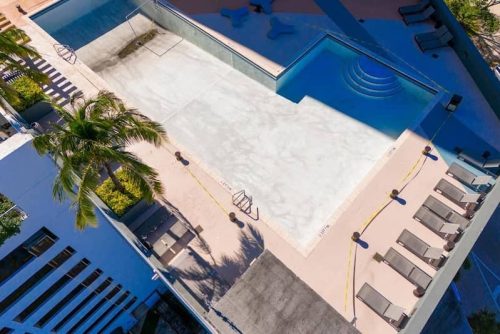
If you’re wondering when to resurface a pool, these warning signs provide the clearest indicators that your surface is approaching the end of its useful life. While some symptoms are cosmetic, others can signal active water intrusion and developing structural concerns.
1. The Pool Floor and Walls Feel Rough Underfoot
A rough pool surface is a definitive indicator that your finish has reached the end of its functional life. As pool water interacts with sanitizing chemicals year after year, the smooth cement binders in a plaster surface slowly dissolve, resulting in an abrasive texture. This sandier, rough texture scrapes the feet of swimmers, snags expensive swimsuits, and makes brushing away dirt nearly impossible.
You can easily look for this erosion by running your hand along the pool steps as well as the shallow end walls. If the material feels like coarse sandpaper instead of a smooth finish, the top coat has officially worn away. At this stage, microscopic pockets open up across the pool plaster, creating safe havens where organic matter can hide from your vacuum. Scheduling a resurfacing project eliminates these abrasive textures and restores comfort to your daily swim.
2. Stubborn Stains return Discoloration Won’t Fade
Discoloration that resists aggressive scrubbing and chemical treatments means your pool surface material has become overly porous. When the protective glaze of a new finish wears thin, the material absorbs minerals, copper, and iron deep into its substrate. These deep, blotchy shadows ruin the pool’s appearance and cannot be cleared by simple acid washing or shock treatments.
Pay close attention to any localized rust stains forming on the pool floor or near plumbing connections. These specific spots usually mean water has traveled through the surface layer and started corroding the internal steel reinforcement grid. This metal corrosion pushes rust bleeding up through the plaster, signaling that you need a professional assessment before the rust pops a hole in the shell. Securing a professional resurfacing seals off these zones and stops metal breakdown completely.
3. Fine Webbing and Visible Cracks Expand
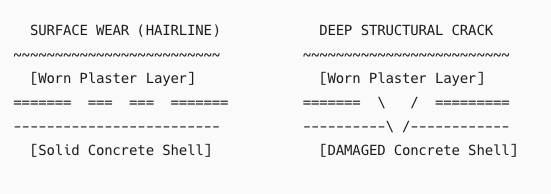
Cracks in your swimming pool call for careful evaluation because they separate surface-level wear from severe structural issues. Fine, web-like fractures occur naturally as a plaster surface ages, dries out, and loses its natural flexibility under the hot sun. While these superficial marks do not mean your pool is about to fail, they prove the material has become brittle and thin.
Deep structural cracks are much more serious, often running completely through the finish and into the gunite shell beneath. The sandy soils and high water tables across Sarasota and Naples shift constantly during heavy rain seasons, putting immense physical stress on your pool’s structure. If your pool finish is too brittle to flex with these minor ground movements, cracks widen, causing active water loss and shifting pool decks.
4. Your Pool Water Drops Faster Than Normal Evaporation
Unexplained water loss is a classic symptom of a degraded pool surface that has lost its ability to hold water. While the intense Florida heat causes normal daily evaporation, filling your pool multiple times a week points to a real issue. When a surface material experiences deep cracking or delamination, water escapes directly into the surrounding soil.
You can verify this issue using a standard five-gallon bucket filled with pool water, placing it on a pool step, and aligning the water levels inside and out. Check the levels after twenty-four hours to see if the pool water outside the bucket dropped further than the water inside. If the pool water level dropped significantly, you are likely dealing with active water penetration through a compromised finish, which requires immediate attention to avoid soil erosion under your pool deck.
5. Plaster is Actively Peeling, Chipping, or Flaking
Peeling plaster, also known as delamination, happens when the top finish completely separates from the concrete pool shell below. This failure often starts as small, hollow pockets under the surface that you might not notice until the thin layer snaps off. Once a small piece breaks away, pool water rushes behind the surrounding edges, causing whole sections to flake away and litter your pool floor with debris.
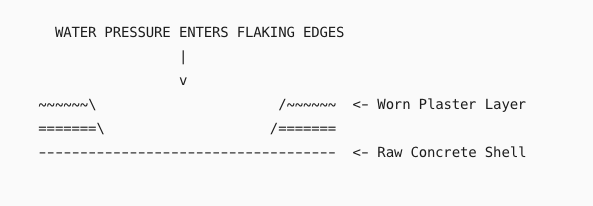
Leaving these raw concrete patches exposed allows pool water to rapidly dissolve the structural shell, accelerating further damage. This peeling frequently occurs because of a poor bond during original construction or years of maintaining improper water chemistry balances. If you notice white flakes accumulating around your main drain, it is time to resurface your pool before the exposed aggregate surfaces become too extensive to patch.
6. The Overall Surface Color Appears Chalky or Faded
Severe fading and a chalky, washed-out look are clear signs that the UV rays from sun exposure have broken down the chemical bonds of your finish. This cosmetic decline is especially prominent in colored plaster, quartz, and dark aggregate surfaces that endure constant sunshine.
While an aged pool is still safe to swim in, the chalky residue you feel when wiping the walls means the finish is actively dissolving. This chemical breakdown thins out the protective coating, leading directly to rough textures and flaking plaster within a few seasons. Replacing the worn material with a bright new surface restores the visual attractiveness and protects the pool structure for years to come.
7. Exposed Aggregate is Loosening and Falling Out
Premium pebble and quartz finishes rely on a specialized cement paste to lock thousands of tiny, polished stones into place. When aggressive pool water chemistry or harsh chemicals strip away that cement binder, individual pebbles lose their support and pop out of the wall matrix. You will often find these loose stones collecting in piles along the pool floor or inside your cleaner bag.
As more stones fall out, the surrounding finish degrades at an accelerated pace, leaving sharp edges behind that can cut swimmers’ feet. Once the aggregate becomes overly exposed, the remaining plaster backing cannot withstand the constant water pressure. A complete resurfacing is the only way to stabilize the finish and bring back a comfortable, long-lasting texture to your swimming pool.
8. The Current Finish is Reaching the End of Its Lifespan
Every pool surface material has a particular operational expiration date, regardless of how meticulously you handle regular maintenance. If your current finish is approaching or passing its estimated lifespan, planning a resurfacing project protects your home before catastrophic leaks develop.
For many homeowners, the age of the finish provides one of the most reliable clues for determining when to resurface a pool, especially when combined with rough textures, staining, or visible erosion.
Standard White Plaster: Typically lasts 7 to 11 years before showing signs of etching, deep staining, or roughness.
Blended Quartz Finishes: Generally provide 10 to 14 years of reliable service thanks to the harder mineral components.
Premium Pebble Surfaces: Offer outstanding durability, often lasting 15 to 22 years due to their non-porous nature.
Epoxy Paint and Coatings: Usually fail within 2 to 4 years in Florida, frequently resulting in flaking and chalky water.
Because local pools operate year-round without a winter closing period, finishes here experience constant chemical wear. If you inherited an older pool or cannot remember the last time it was renovated, keeping a close eye on its age prevents sudden structural failures.
9. Weekly Maintenance and Chemical Costs Keep Escalating
If you find yourself buying more chlorine, shock treatments, and algaecides than usual just to keep your water clear, your pool surface may be the true culprit. Worn, aging finishes develop millions of microscopic pores that act as safe breeding grounds for organic matter. These deep pits protect spores from your normal filtration system and standard chemical sanitizers.
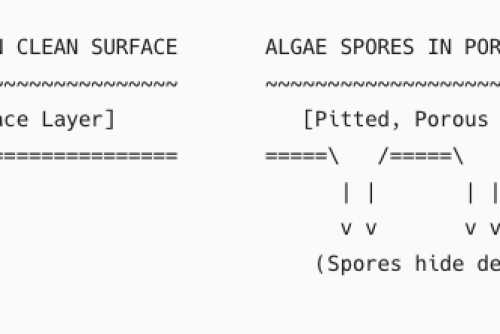
This ongoing struggle forces you to use heavy doses of harsh chemicals to prevent persistent algae growth, which further accelerates surface deterioration. Resurfacing your pool with a clean, non-porous material resets this state, lowers your monthly chemical bills, and makes regular pool maintenance incredibly straightforward.
Understanding when to resurface a pool becomes much easier when you separate minor cosmetic issues from conditions that require immediate professional attention.
Tracking Surface Wear vs. Urgent Repair Issues
Not every single spot on your pool walls requires an emergency service call to a local professional. Understanding which symptoms you can safely monitor over a swimming season versus which issues demand immediate action helps you manage finances effectively without creating unnecessary worry.
Visible Pool Symptom | Safe to Monitor | Schedule Inspection | Urgent Professional Action |
Light aesthetic fading or shading | ✓ | ||
Slight sand-like texture on steps | ✓ | ||
Deep, chemical-resistant mineral deposits | ✓ | ||
Mild hairline cracks with stable water levels | ✓ | ||
Rust stains appearing in fixed locations | ✓ | ||
Active plaster delamination and flaking | ✓ | ||
Continuous water loss verified by a bucket test | ✓ |
What Local Experts Discover During Inspections
Homeowners often mistake significant surface failures for normal aging patterns, pushing off repairs until major damage occurs. In places like Sarasota, Fort Myers, and Naples, small anomalies frequently mask deeper issues that require professional attention.
Overlooking the Danger of Persistent Rust Spots
Many pool owners spend money on retail stain-removing chemicals, hoping to clear a dark brown spot on their pool floor. During on-site inspections, our teams often find that these spots are actually caused by moisture reaching the rebar grid through a thin plaster surface. Ignoring these marks allows the expanding iron to break out large chunks of concrete, complicating what should have been a standard resurfacing job.
Mistaking Structural Leaks for Simple Sun Evaporation
It is incredibly easy to blame low water levels on the hot Florida sun, but sub-surface leaks can quietly erode the supporting soil right beneath your pool deck. Constant water penetration through an aging finish washes away sandy foundational soil, leading to hollow spots, cracked deck pavers, and shifting concrete pads. Catching these leaks early via a professional resurfacing preserves the surrounding hardscape.
The Misleading Nature of Fiberglass Discoloration
If you own a fiberglass pool, surface deterioration looks slightly different from what it does on a concrete pool. Instead of eroding into rough textures, an aging fiberglass finish develops fine cracks in the gel coat, black spots, or a distinct fading pattern known as chalking. Seeking a professional fiberglass pool resurfacing preserves the structural shell before the underlying layers become soft and waterlogged.
Why Florida Weather Accelerates Surface Wear
The environmental conditions across Southwest and Central Florida expose swimming pools to severe, uninterrupted stress that pools in other regions simply do not face.
Strong UV Exposure: Constant sunshine beats down on shallow steps, benches, and tile lines every day. This radiation bakes the finish, breaking down the chemical binders within colored finishes and causing early brittleness.
Heavy Rain Dilution: Torrential summer downpours dump large volumes of acidic rain directly into your pool. This arrival alters your water balance instantly, forcing pool owners to use harsh chemicals to stabilize the system, which can cause surface etching if not managed carefully.
High Water Table Issues: Coastal areas maintain high water tables that exert continuous hydrostatic pressure against the outside of an underground pool structure. If your pool’s interior finish is cracked, this pressure variance accelerates water loss and shell stress.
Continuous Year-Round Operation: Unlike northern states, where pools are closed and covered for six months, local pools run continuously. This non-stop water circulation means your surface material endures double the annual wear compared to seasonal pools.
If you are still unsure when to resurface a pool, performing a seasonal inspection can help identify developing problems before they become expensive repairs.
DIY Surface Inspection Protocol
You can easily evaluate your pool’s structural health by following this practical, four-step walk-around routine once a season to track material wear.
tStep 1: Evaluate Surface Texture: Physical Check.
tFeel the walls and steps in the shallow end to test for material erosion.
tNormal: A smooth finish or a uniform, rounded pebble texture.
tAction Needed: A coarse, abrasive texture that scrapes skin or snags fabrics.
tStep 2: Examine for Fixed Stains: Visual Assessment.
tExamine the pool floor under clear sunlight, looking for embedded mineral deposits.
tNormal: Even color tones across the floor and corners.
tAction Needed: Isolated rust stains or deep discolored areas that resist scrubbing.
tStep 3: Inspect for Cracks and Peeling: Structural Check.
tScan the tile line, steps, and deep end walls for material delamination.
tNormal: A solid, unbroken coat across all visible areas.
tAction Needed: Flaking plaster, peeling finishes, or enlarging structural cracks.
tStep 4: Track Daily Water Retention: Water Stability.
tMonitor how often you need to run your garden hose to keep the water level stable.
tNormal: Occasional filling during dry, windy weeks.
tAction Needed: Losing more than a quarter-inch of water a day, confirmed by a bucket test.
Choosing the Best Finish for Your New Surface
When it is finally time to resurface, you are not restricted to the exact same material that was installed during original construction. Upgrading your surface material can drastically lengthen its lifespan and cut down on weekly maintenance time. If you are working with an experienced pool builder, choosing the right material ensures your new surface can withstand local weather variations for decades.
Surface Material Option | Average Lifespan | Primary Long-Term Benefits | Key Considerations |
Classic Plaster | 7 to 11 Years | Lowest upfront cost; delivers a traditional smooth finish when applied correctly. | Highly vulnerable to chemical etching and early staining if water chemistry flags. |
Blended Quartz | 10 to 14 Years | Excellent durability; resists chemical damage much better than basic plaster. | Requires a moderate upfront investment and consistent water balancing. |
Premium Pebble | 15 to 22+ Years | Maximum structural durability; non-porous finish naturally prevents algae growth. | Higher initial installation expense; features a distinct stone texture underfoot. |
Protect Your Investment with a Trusted Pool Contractor
Knowing when to resurface a pool is a central part of protecting your home’s value and maintaining a safe swimming space. Noticing early warning signs, like an abrasive texture, unyielding stains, or flaking plaster, allows you to act before water penetration causes serious structural defects within the concrete shell. Taking care of your pool’s finish keeps chemical costs predictable, prevents active leaks, and preserves your backyard oasis.
If you have noticed multiple signs of wear in your backyard, contacting a professional team can give you a clear, objective assessment of your pool’s overall health. Creative Pool & Spa specializes in helping homeowners across Southwest and Central Florida manage the resurfacing process with transparency, local expertise, and durable materials designed to stand up to our intense climate. Addressing surface wear early keeps your swimming pool safe, beautifully clear, and ready for your family all year long.