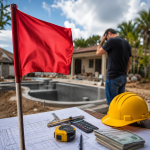
A worn pool surface rarely becomes a problem overnight. It usually starts with small signs that are easy to ignore—a stain that never brushes away, rough spots under your feet, or tiny cracks that seem harmless. Months later, those cosmetic issues can become expensive repairs.
If you’ve been researching the cost to resurface a pool, you’ve probably noticed one thing right away. Prices are everywhere. One company quotes a few thousand dollars, while another nearly doubles it. It’s enough to make anyone wonder whether one contractor is overcharging or another is cutting corners.
The truth sits somewhere in the middle. Every swimming pool tells a different story, especially in Florida, where:
Year-round sunshine
Heavy rain and humidity
Coastal conditions
All of these affect how quickly a pool surface wears down. The age of your concrete pool, the finish you choose, and the condition hiding beneath the old coating all influence the final investment.
This guide gives what you can realistically expect to pay in 2026, what drives pricing, and how to decide whether resurfacing is the right move before small problems become much larger ones.
Why Does Cost to Resurface a Pool Vary So Much in Florida?
The cost to resurface a pool in Florida can be between $5,000 to more than $20,000 because no two pools require the same amount of work. Even two backyards with similar-looking pools can have very different conditions once the old finish is removed.
The Reality Underneath: One homeowner may only need a fresh layer of white plaster over a well-maintained shell. Another may discover loose plaster, hidden cracks, deteriorated bond beams, or aging plumbing beneath the existing surface. From the street, both pools can look nearly identical. Underneath, they’re completely different projects.
The Florida Factor: Florida also has its own challenges that affect pool resurfacing costs. Unlike colder states where pools sit unused for months, many Florida homeowners swim throughout the year. More use means more brushing, more chemicals, and more wear on the finish. Summer thunderstorms regularly dilute water chemistry, while intense UV exposure slowly breaks down protective surfaces over time.
The Local Market: The local construction market plays a role too. Skilled crews remain busy throughout the year, especially across areas like Orlando, Tampa, Sarasota, and Naples, where demand for residential pools stays strong. Labor shortages, material costs, and scheduling pressure continue to influence labor rates, which naturally affect the average price homeowners receive.
Many people assume the finish material determines nearly all of the cost. It certainly matters, but it is only one piece of the picture.
Key Factors Determining Your Investment:
Pool size and overall surface area
Condition of the existing finish
Type of finish material selected
Structural or plumbing repairs uncovered during demolition
Accessibility to your backyard
Local labor availability
Decorative upgrades, such as waterline tile replacement
Looking only at the lowest estimate rarely tells you which project offers the best value. A cheaper proposal may simply leave out preparation work, repairs, or warranty coverage that another contractor has already included.
By understanding what actually goes into a resurfacing estimate, you’ll be in a much better position to compare proposals fairly instead of focusing only on the bottom-line number.
What Actually Determines the Cost to Resurface a Pool?
The cost to resurface a pool depends on much more than applying a new finish. Most of the work happens before the new surface is ever installed, and that’s often where pricing begins to separate from one contractor to another.
Shell Evaluation: Experienced contractors first evaluate the condition of the pool shell. They look for movement, hollow areas, surface separation, previous repairs, and signs of moisture intrusion. A pool that has been maintained consistently usually requires less preparation than one that has been neglected for years.
Size & Design: The next major factor is pool size. Larger residential pools simply require more materials, more labor hours, and more time to complete. A compact classic pool may take considerably less effort than a freeform design with a raised spa, tanning ledge, or extensive curves.
Backyard Accessibility: Accessibility also influences pricing more than many homeowners expect. If equipment and materials can be moved directly into the backyard, work progresses faster. Tight side yards, steep slopes, screened enclosures, or limited access often increase labor because every bucket of material has to be transported manually.
Finish Material Longevity: The finish itself also changes the overall investment. Some homeowners prioritize the lowest upfront cost. Others prefer a more durable finish that lasts longer and requires less maintenance. Neither approach is automatically right. It depends on how long you plan to stay in your home and how you use your pool.
Quick Cost Driver Comparison
Cost Driver | Lower-Cost Scenario | Higher-Cost Scenario |
Pool size | Small rectangular pool | Large custom pool with spa or tanning ledge |
Existing condition | Cosmetic wear only | Cracks, hollow spots, structural repairs |
Finish material | White plaster | Premium pebble finishes or custom tile |
Accessibility | Open backyard access | Narrow access requiring additional labor |
Repair work | No repairs needed | Plumbing, coping, or bond beam restoration |
Some homeowners ask why two contractors can inspect the same inground pool and still produce different estimates. Often, the answer comes down to scope.
One proposal may include demolition, surface preparation, startup chemicals, cleanup, and warranty coverage from the beginning. Another may leave those items out until work starts, creating additional costs through change orders later. A detailed proposal should explain exactly what is included before any work begins. It should also identify potential conditions that cannot be confirmed until demolition exposes the underlying shell. Clear communication at this stage reduces surprises later.
Pool Resurfacing Costs by Finish Type (2026 Comparison)
Choosing the finish has one of the biggest influences on both your upfront investment and the long-term value of your pool resurfacing project. Every material has strengths, maintenance requirements, and an expected service life. Looking only at the installation price rarely tells the full story.
Traditional Plaster: Traditional plaster finishes remain the most affordable option for many homeowners. They create a clean, timeless appearance and generally have a cost range of $6 to $8 per square foot. They also require more attention to water chemistry and regular maintenance to help maximize their lifespan.
Quartz Plaster: A step up from standard plaster is quartz plaster, which combines plaster with quartz mixed aggregate. The added minerals improve stain resistance, reduce surface wear, and generally provide a longer-lasting finish with a more textured appearance.
Premium Aggregate: Premium aggregate finishes, including Pebble Tec, blend natural stones, glass beads, or marble aggregate into the surface. These finishes cost more initially but often deliver greater durability, stronger color retention, and lower long-term resurfacing needs.
Tile Finish: Tile sits at the top end of the market. While it carries the highest installation cost, it offers exceptional longevity, excellent UV resistance, and an elegant finish that many luxury homes across South Florida prefer.
Finish Comparison Breakdown
Finish Type | Typical Cost | Expected Lifespan | Maintenance | Best For |
White Plaster | $6–$8 per sq. ft. | 5–10 years | Moderate | Budget-conscious homeowners |
Quartz Plaster | Mid-range | 10–15 years | Moderate | Better durability and color retention |
Pebble Finishes | Premium | 15–20 years | Low | Long-term ownership and durability |
Tile | Highest | 20+ years | Low | Luxury pools seeking maximum lifespan |
Many pool owners focus on the initial price, but experienced contractors often encourage looking beyond the first invoice. Spending more on a finish that lasts significantly longer can reduce future resurfacing expenses and delay the next major renovation.
The right finish isn’t always the least expensive one. It’s the finish that fits your budget, your maintenance expectations, and how long you plan to enjoy your backyard before another resurfacing project becomes necessary.
Hidden Repairs That Can Increase Your Pool Resurfacing Cost
The estimate you receive before work begins is based on what can be seen during the inspection. Some problems only appear after the old finish is removed, which is why the final price can occasionally change once demolition is underway.
A good contractor will explain this before the project starts. It is not about creating unexpected charges. It is about being honest that certain conditions stay hidden beneath the old pool surface until the shell is exposed.
Common On-Site Discoveries:
Delamination: This happens when the old plaster separates from the pool shell. From above, it may look like a harmless stain or a rough patch. Once workers begin removing the finish, sections can lift away much more easily than expected. Installing a new surface over loose material would only shorten the life of the entire project.
Structural Cracks: Hairline cracks are not always a major concern, but wider or shifting cracks deserve closer attention. Ignoring them simply because they are covered by fresh plaster rarely ends well. Water has a way of finding weak spots, especially in a state where heavy rain and fluctuating groundwater levels put constant pressure on the surrounding soil.
Bond Beam Issues: Older concrete pool structures sometimes reveal additional issues around the bond beam. This reinforced area supports the coping and upper edge of the pool. Years of expansion, moisture, and normal movement can weaken it enough that repairs become necessary before resurfacing continues.
Additional Hidden Conditions May Include:
Hollow spots beneath the old finish
Minor plumbing leaks were discovered after draining.
Loose or damaged coping
Waterline tile replacement if the surrounding materials no longer bond properly
Areas where previous patch repairs have failed
Some of these qualify as minor repairs. Others affect the structural integrity of the swimming pool and should never be skipped simply to lower the estimate.
A Tale of Two Neighbors: Imagine two neighbors with pools built around the same time. Both have faded plaster and similar discoloration. One homeowner maintained balanced water chemistry for years, while the other struggled with repeated chemical imbalances and delayed maintenance.
Once demolition begins, the first pool may only need basic resurfacing. The second may require extensive preparation before any finish can be applied. From the street, they looked almost identical. Underneath, they were very different projects.
Although additional repairs increase the upfront cost, they also protect your investment. Fixing underlying problems before resurfacing gives the finish a stable foundation and helps avoid paying for the same work twice.
Is Cost to Resurface a Pool Worth It or Is It Time for a Bigger Renovation?
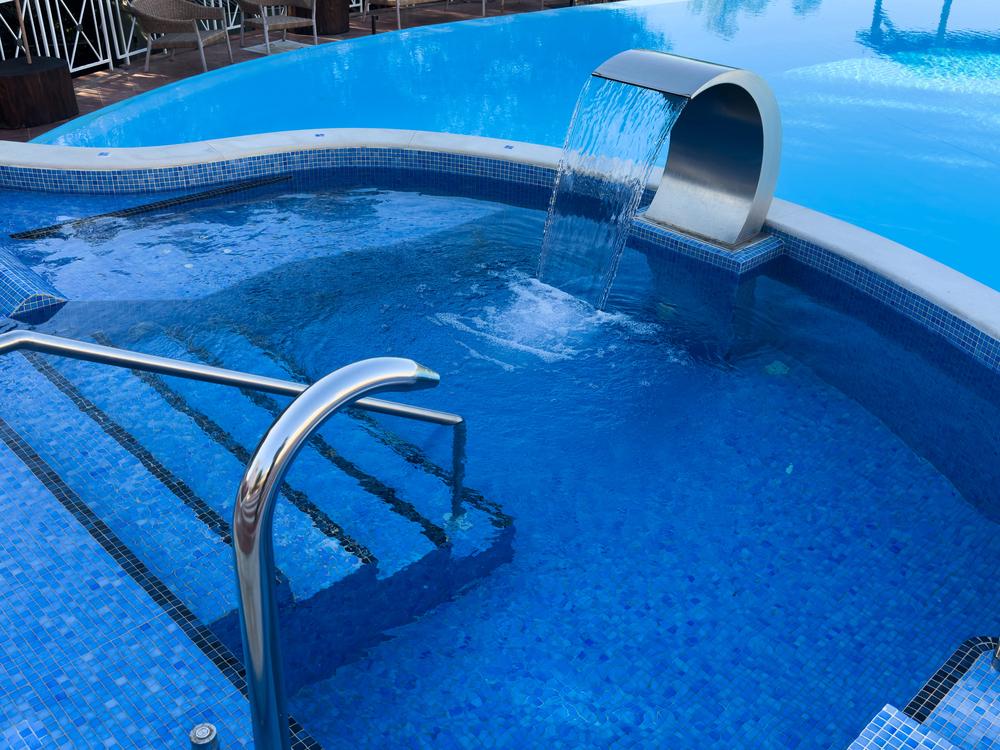
The cost to resurface a pool is usually worth the investment when the structure is sound, and the damage is limited to the finish. Once structural problems become widespread, however, resurfacing alone may no longer be the smartest financial decision.
Many homeowners wait until the pool becomes uncomfortable to use. Rough spots scrape your feet. Stains refuse to disappear. Small cracks slowly become larger ones. It feels easier to put the project off for another season, especially when the pool is still holding water. Unfortunately, delaying resurfacing often shifts money from maintenance into repairs.
A worn finish is more porous than a healthy one. It absorbs minerals more easily, making stains harder to remove. Rough areas collect algae more quickly and require stronger chemical treatments. Small defects also expose the shell beneath, allowing moisture to work deeper into the structure over time.
Signs That Resurfacing is the Right Next Step:
The pool surface feels rough or abrasive.
Stains remain after professional cleaning.
Plaster is flaking or peeling.
Small surface cracks continue to spread.
Previous patch repairs are becoming noticeable.
The finish has become thin enough to expose the underlying shell.
When to Consider a Full Renovation Instead:
If you already plan to replace outdated decking, install new coping, upgrade lighting, or change the shape of your swimming area, combining those improvements into one project often makes more sense than resurfacing first and remodeling later.
Most pool owners are not trying to create a luxury backyard overnight. They simply want a pool that feels safe, looks clean, and protects the value of their home. Making the right decision starts with understanding whether you’re restoring the finish or rebuilding larger parts of the pool.
How Florida’s Climate and Location Affect Pool Resurfacing Costs
Florida’s climate does not automatically increase the cost to resurface a pool, but it often affects how quickly the finish wears out and how much preparation may be needed before resurfacing begins. Where your home is located matters more than many people realize.
The Gulf Coast (Naples, Sarasota, Clearwater, St. Petersburg, Cape Coral): Pools face constant exposure to salty air and intense sunlight. Salt itself does not damage plaster directly, but it accelerates corrosion around exposed metal components while relentless UV rays gradually wear down the finish. Outdoor kitchens, screen enclosures, and decorative water features in these coastal homes also create more surfaces that require coordination during a pool resurfacing project.
Central Florida (Orlando, Lakeland): Many families use their pools nearly year-round. More swimming means more brushing, more filtration cycles, and more chemical adjustments. Summer thunderstorms regularly dilute sanitizer levels, forcing homeowners to rebalance the water after heavy rainfall. Over time, inconsistent water chemistry can shorten the life of even high-quality finishes.
South Florida (Fort Myers, Punta Gorda): Hurricane season introduces another layer of maintenance. Wind-driven debris, overflowing landscapes, and repeated cleanup efforts can leave scratches, stains, or surface wear that become more noticeable as finishes age.
None of these environmental conditions automatically increases contractor pricing. What they influence is timing.
A pool exposed to years of harsh sunlight, repeated chemical imbalances, or neglected maintenance may require more preparation before the new finish can be installed. Another pool of the same age, protected by consistent care and balanced chemistry, may only need straightforward resurfacing. Florida asks more from a swimming pool than many other states. Regular maintenance helps, but eventually every finish reaches the point where replacement becomes the better investment.
Think Beyond the Quote: Which Pool Finish Costs Less Over 20 Years?
The lowest estimate today is not always the lowest long-term cost. Looking at how a finish performs over twenty years often paints a very different picture.
Suppose you choose standard white plaster because it has the lowest upfront price. It may serve you well for several years with proper care, but eventually you’ll likely face another resurfacing project sooner than someone who invested in premium aggregate finishes.
Now compare that with Pebble Tec or other exposed pebble systems. The initial investment is higher, yet the finish generally lasts much longer and requires less maintenance under normal conditions. For homeowners planning to stay in their house for many years, the math often shifts in favor of the more durable option.
The 20-Year Value Outlook
Finish | Initial Investment | Typical Lifespan | Estimated Resurfacing Frequency Over 20 Years | Long-Term Value |
White Plaster | Lowest | 5–10 years | 2–3 resurfacing cycles | Moderate |
Quartz Plaster | Mid-range | 10–15 years | 1–2 resurfacing cycles | Good |
Pebble Finishes | Higher | 15–20 years | Usually one resurfacing cycle | Excellent |
Tile | Premium | 20+ years | Often exceeds 20 years | Outstanding |
The table does not mean premium finishes are automatically the right choice. If you expect to move within a few years, spending significantly more may not provide enough return to justify the investment.
On the other hand, if this is your forever home, choosing a finish with greater durability may reduce future resurfacing costs, minimize maintenance, and preserve the appearance of your backyard for much longer. Instead of asking which finish is cheapest, ask which finish gives you the best value for the years you plan to enjoy your pool. That simple shift in thinking often leads to a much smarter decision than comparing estimates alone.
How to Compare Pool Resurfacing Quotes Without Overpaying
The easiest way to avoid overpaying is not by choosing the lowest estimate. It is by understanding what each contractor is actually offering.
Two proposals can differ by several thousand dollars while both appear to cover the same job. The difference often comes down to preparation, materials, warranty coverage, or repairs that one contractor includes upfront and another treats as extras.
Verify Licensing: Start by verifying that the contractor holds the appropriate Florida license for the work being performed. Licensing confirms they meet state requirements, but it should never be the only factor in your decision.
Confirm Insurance: Next, ask for proof of general liability insurance and workers’ compensation coverage. The right insurance protects both you and the workers on your property if something goes wrong during the project.
Ask for Local References: It also helps to ask for three recently completed resurfacing projects in your area. A company that regularly works in Orlando, Tampa, Bradenton, Sarasota, or Fort Myers should be able to provide recent examples without hesitation. Looking at local projects gives you a better idea of how their finishes hold up under Florida conditions than polished marketing photos ever could.
What a Professional Estimate Should Clearly Explain:
Scope of demolition
Surface preparation methods
Finish specifications
Estimated labor time
Warranty coverage
Cleanup responsibilities
Project timeline
Payment schedule
If an estimate feels unusually short or vague, ask questions before signing anything. Be especially cautious of bids that come in far below the others. Sometimes lower pricing reflects operational efficiency. More often, it means something has been left out. Surface preparation, material quality, or warranty protection are common areas where inexpensive proposals cut costs.
A resurfacing project should leave you with confidence, not uncertainty. Clear communication before work begins usually leads to fewer surprises once construction starts.
What Every Pool Resurfacing Estimate Should Include
A detailed estimate gives you a much clearer picture of the total investment than a single lump-sum number. Every proposal should identify the finish being installed, not simply state “new plaster” or “premium finish.” Material specifications matter because products that sound similar can perform very differently over time.
Look For Details Covering:
Removal of the existing finish
Preparation of the pool shell
Repairs included before resurfacing
Finish material and color selection
Waterline tile work, if applicable
Startup chemicals
Initial pool brushing instructions
Cleanup after completion
Written warranty
Payment terms deserve careful attention as well. Most reputable contractors divide payments into milestones that reflect completed work rather than requesting most of the money before the project begins. Milestone payments protect both parties and help keep expectations aligned throughout construction.
If change orders become necessary because hidden conditions are discovered after demolition, those additional repairs should be documented clearly before extra work proceeds. Transparent estimates make comparing contractors much easier because you’re evaluating the same scope of work instead of guessing what each proposal includes.
Choosing a Pool Resurfacing Contractor in Florida Who Delivers Long-Term Value
Finding the right contractor is about more than comparing prices. You’re trusting someone to protect one of the largest features on your property, and the quality of that work will influence how your pool looks and performs for years.
Experience matters because Florida pools present challenges that contractors in other parts of the country rarely encounter. Constant sun, frequent rain, humidity, coastal exposure, and year-round use all affect how finishes perform over time. Utilizing a contractor experienced with these specific conditions ensures material and installation recommendations are customized to your location, rather than standard, generic alternatives.
Checklist Before Making Your Final Decision:
Does the company explain its preparation process clearly?
Are finish options matched to your budget and long-term plans?
Is the warranty provided in writing?
Can they share recent local resurfacing projects?
Do they communicate openly about potential repairs before work begins?
The answers often tell you more than the price itself. The cost to resurface a pool is an important part of the decision, but it should never be the only one. A resurfaced pool that lasts for many years, requires fewer repairs, and continues looking great often delivers far greater value than saving a small amount upfront.
If you’re planning a resurfacing project anywhere in Florida, working with an experienced local contractor can make the process much smoother. Creative Pool & Spa helps homeowners evaluate their existing pool honestly, explain the options without pressure, and recommend finishes that fit both the property and the way the pool will be used.
Whether your pool needs a straightforward resurfacing or more extensive restoration, taking the time to understand the factors behind pricing puts you in a much stronger position to make a confident investment. A well-planned project protects your backyard, extends the life of your pool, and helps you enjoy it for many seasons to come.